
We've all had those days.
You've prepped the perfect lesson, the visuals are up, and the routine is set—but one of our students just can't. Maybe they're more withdrawn than usual, or perhaps a transition that was easy last week is suddenly causing a total meltdown today. What we're seeing in these moments isn't a behavior problem or a lack of motivation — it's often autistic burnout.
What is autistic burnout?
Autistic burnout is a state of physical and mental exhaustion due to the long-term "cost" of navigating a sensory-heavy world and "masking" social struggles.
Imagine trying to have a serious conversation while a fire alarm is going off right next to your ear. You could probably do it for 30 seconds, but after five minutes, your brain would just stop processing words. Regulation is that silent fire alarm. Our students are using every ounce of mental energy just to 'stay calm' amidst the lights, sounds, and social cues of a classroom. Eventually, the noise wins, and they can't hear your instructions anymore—not because they aren't listening, but because their 'processing center' is full.
1. The "Loss of Skills" (Regression)
Have you ever had a student who was previously independent with their "Morning Meeting" routine suddenly need step-by-step prompting? This is one of the most common autistic burnout symptoms. When the brain is overloaded, it sheds "extra" tasks—like complex sequencing or self-care—just to keep the lights on.
2. Increased Sensory Sensitivity
What does sensory overwhelm feel like during burnout? During burnout, a student's "window of tolerance" shrinks. Noises, bright fluorescent lights, or the hum of the HVAC system that were "fine" yesterday might feel physically painful today. You might notice them covering their ears more often or squinting in a room they usually thrive in.
3. Reduced Social Stamina
A student in burnout may stop initiating play or withdraw from the group entirely. Socializing requires a high level of "executive function"—processing what people say, watching body language, and responding. During burnout, that "social battery" is simply empty.
4. Frequent Meltdowns or Shutdowns
What is the difference between an autistic meltdown and a shutdown? A meltdown is an outward response to overwhelm (crying, hitting, or running), while a shutdown is an inward response (going quiet, withdrawing, or becoming non-responsive). If you notice these happening more frequently over small triggers, it's a sign that the student's internal reservoir is dry.
5. Increased Stimming
You might see a noticeable increase in repetitive movements, like hand-flapping, rocking, or vocal stimming. This is often the body's natural way of trying to self-regulate and "reset" a nervous system that feels like it's on fire.
How to support a student in burnout
When a student is in burnout, the goal shifts from "teaching" to "supporting recovery." Here is how you can help tomorrow:
Lower the Demands: Swap the complex math sheet for a high-interest, low-pressure activity.
Validate the Feeling: Simply saying, "I can see your body is working really hard today, it's okay to take it slow," lowers anxiety immediately.
The "Yes Space": Offer a break in a Calm Down Corner where there are zero demands placed on them.
Tools for the Journey
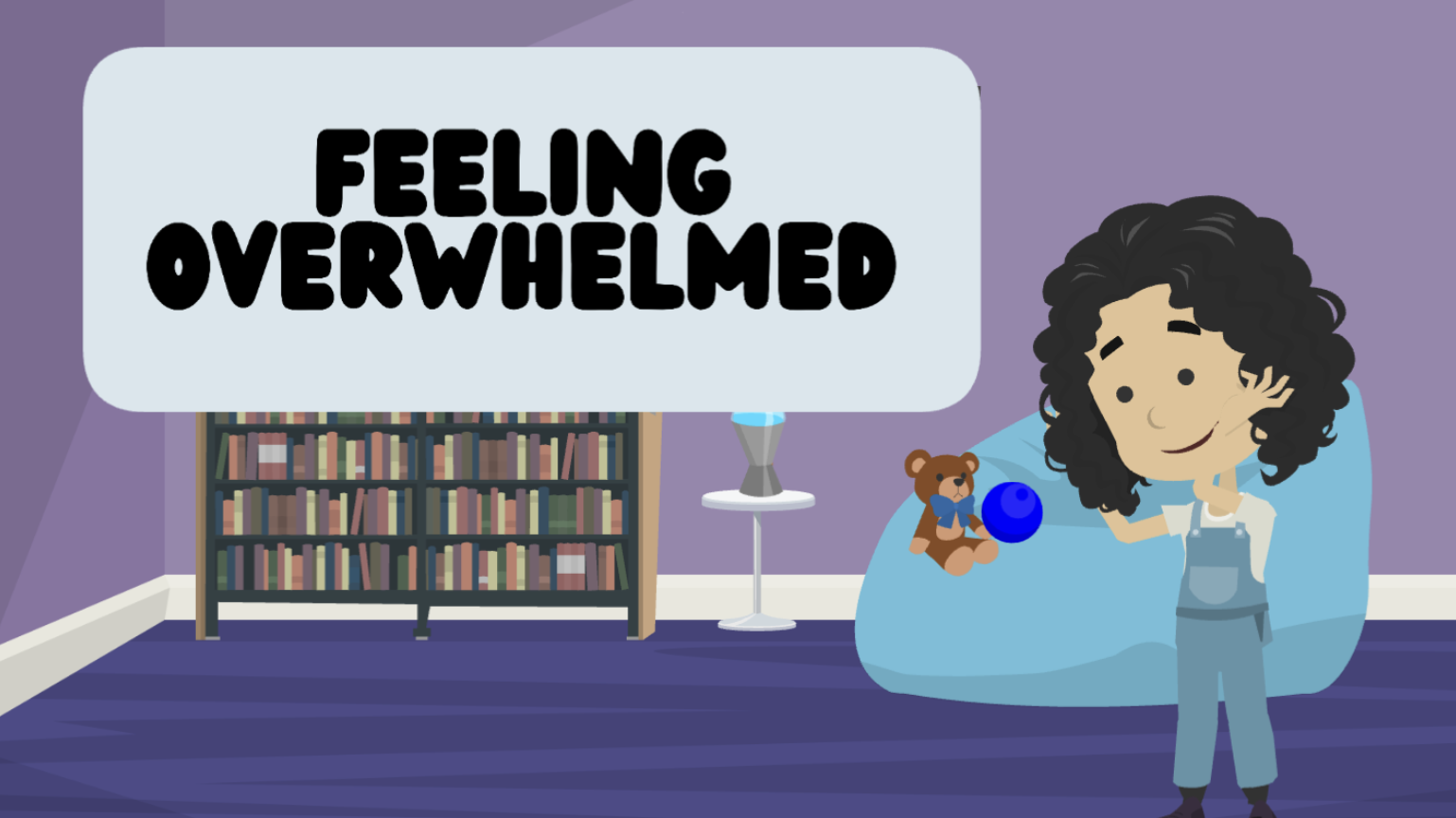
At Autism Learning Worlds, we built our Feeling Overwhelmed course to help students recognize these internal signals before they hit a total shutdown. It uses animated social stories to teach them that it's okay to ask for a break when their "battery" feels low.
You're doing great
Teacher-to-teacher: seeing a student struggle is exhausting for you, too. Remember that by recognizing burnout for what it is—an energy crisis, not a behavior choice—you are already providing the most important support there is: understanding.



Created with